
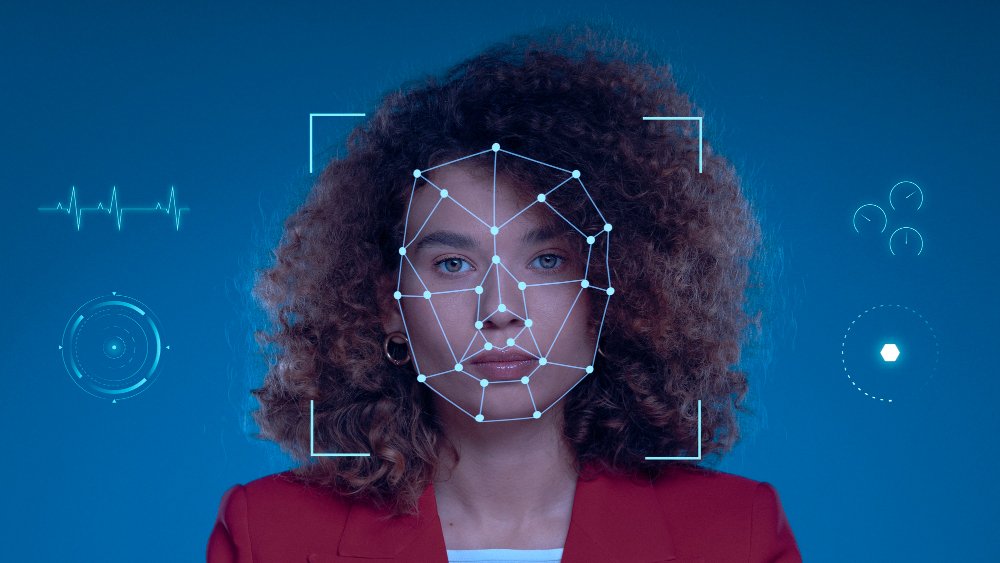
When I first heard about face recognition technology, I honestly thought it was something only used in high-security labs or spy movies. But over time, I realized it’s actually part of our everyday lives. From unlocking my phone to airport security, this technology is everywhere. So here’s my simple and personal breakdown of how it works and what it really means for us.
What Is Face Recognition Technology
In the simplest way I can explain it, face recognition technology is a system that can identify or verify a person using their face. It works almost like how we humans recognize someone we know—but much faster and more precise.
Instead of relying on memory like we do, it uses advanced algorithms and artificial intelligence to scan and match facial features.
How Face Recognition Actually Works
The first time I looked into this, I was surprised at how structured the process is. It’s not just “scan and match.” There are multiple steps happening in seconds.
First, the system captures an image of your face using a camera or video feed. Then it detects the face within that image. After that, it analyzes key details like the distance between your eyes, the shape of your nose, and the structure of your jawline.
All this information is converted into a digital faceprint, which is basically a mathematical representation of your face. That faceprint is then compared to a database to find a match.
Where We Use Face Recognition in Daily Life
I didn’t realize how often I interact with this technology until I paid attention. It’s not just limited to security anymore.
For example, most smartphones now use facial recognition to unlock devices. Social media platforms suggest tags using automatic face detection. Airports use it for identity verification and boarding processes.
Even banks and apps are starting to use it for secure logins and fraud prevention.
Why People Like This Technology
From my experience, the biggest advantage is convenience. I don’t have to remember passwords all the time. Just a quick glance, and I’m in.
Another benefit is enhanced security systems. Since every face is unique, it’s harder for someone to fake compared to passwords or PIN codes.
It also helps in areas like law enforcement and missing person identification, which can make a real difference in serious situations.
The Downsides You Should Know
But honestly, it’s not all perfect. One thing that concerns me is privacy issues. Since cameras can scan faces without permission, it raises questions about how data is collected and used.
There’s also the risk of data breaches. If facial data gets leaked, you can’t just “change your face” like a password.
Another issue is accuracy. While it’s improving, some systems still struggle with lighting conditions, aging, or different angles.
Is Face Recognition Safe to Use
From my point of view, it depends on where and how it’s used. On personal devices like phones, I feel it’s generally safe because companies add encryption and security layers.
But in public spaces, I think there should be clear regulations and transparency so people know how their data is being used.
The Future of Face Recognition Technology
Looking ahead, I believe this technology will become even more advanced. We might see it used in smart homes, retail stores, healthcare systems, and more.
At the same time, I expect stronger rules around data protection and ethical use, because without that, people won’t fully trust it.
Final Thoughts
After using and learning about face recognition technology explained in simple terms, I can say it’s both impressive and a little concerning. It makes life easier in many ways, but it also comes with responsibilities.
For me, it’s all about balance—enjoying the convenience while staying aware of privacy risks.
AI Disclaimer: This content was created with the assistance of artificial intelligence tools, combined with human-style writing to provide a clear, simple, and engaging explanation. While efforts were made to ensure accuracy and originality, readers are encouraged to verify critical details independently.