
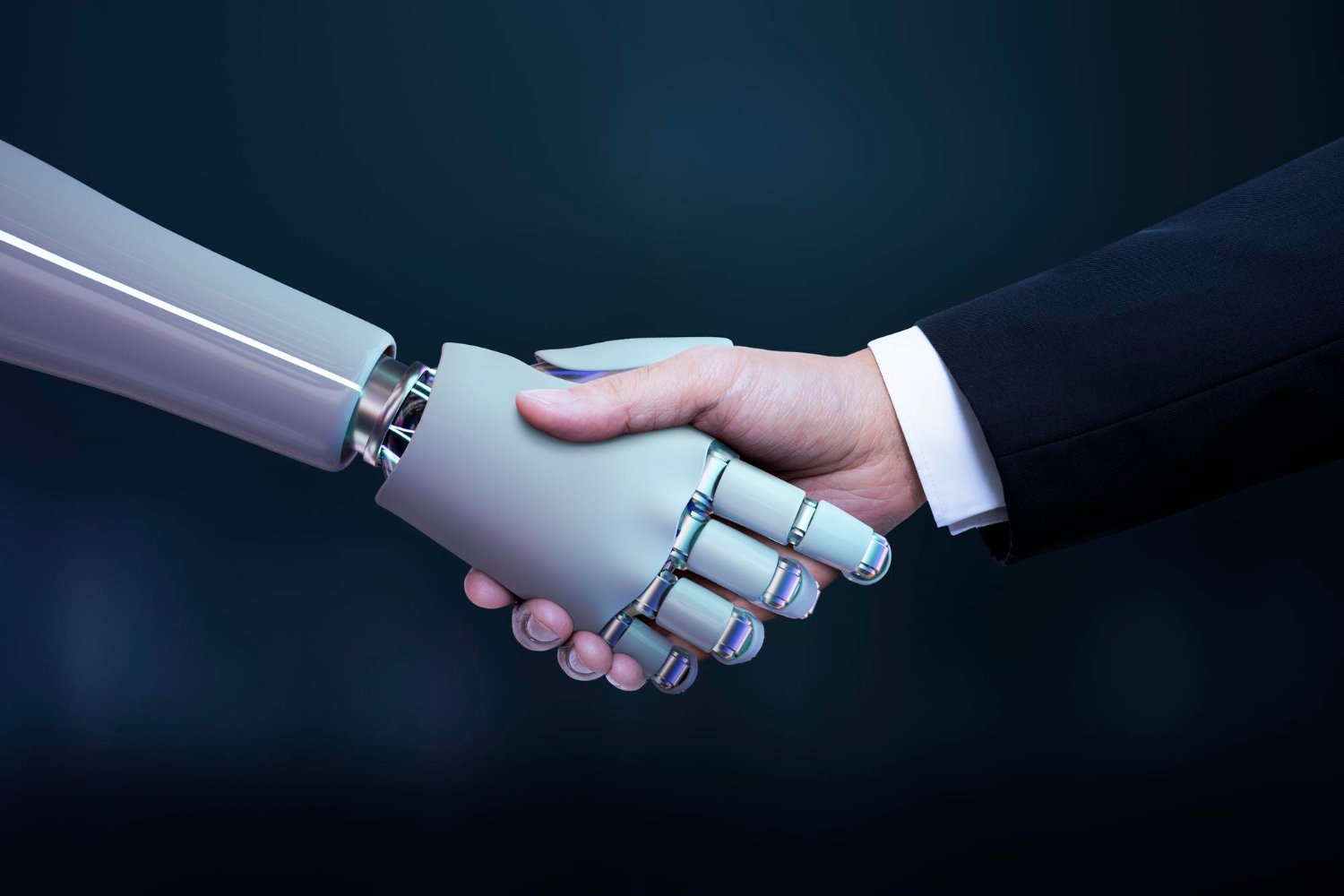
I have always been fascinated by artificial intelligence. From smart assistants on my phone to more complex systems handling sensitive decisions, AI seems to be everywhere. But recently, I started questioning, can AI truly be trusted? Not just in functionality, but ethically. While many people treat AI as an infallible tool, I’ve found that trust in AI is much more nuanced.
In my personal experience, the biggest concern comes from AI bias. I’ve seen instances where algorithms unintentionally favor one group over another, leading to unfair outcomes. It makes me wonder whether these systems are really designed to serve humans equitably or if they merely reflect the biases of the data and humans who create them. This is why ethical AI development has become such a hot topic in tech circles.
Another point I noticed is transparency in AI decision-making. Many AI systems work like black boxes—you input information, and results come out, but no one fully explains how those results were reached. From an ethical standpoint, this lack of explainability raises red flags. If I can’t understand why a system made a particular choice, how can I fully trust it? In my view, this is a key element that needs to be addressed before AI can gain widespread ethical trust.
Of course, AI accountability also matters. In one project I followed closely, errors in AI led to significant consequences, yet it was unclear who should be held responsible—the developer, the organization, or the AI itself? I personally feel that accountability mechanisms must be built directly into AI frameworks so humans remain ultimately responsible for outcomes.
On the brighter side, I’ve seen examples of responsible AI practices that restore some confidence. Systems that prioritize data privacy, adhere to ethical guidelines, and allow users to audit decisions show that AI can be managed responsibly. However, it’s clear to me that ethical oversight cannot be an afterthought. It must be embedded in every stage of AI development, from design to deployment.
After reflecting on all this, I’d say that trusting AI is not about blind faith. It’s about critical engagement, monitoring AI’s impact, and holding creators accountable. We can benefit immensely from AI, but ethical vigilance is non-negotiable. For now, I remain cautiously optimistic, believing that AI can be trusted, but only when ethical considerations are prioritized over convenience or speed.
AI Disclaimer: This content was generated with the assistance of AI and reviewed by a human for accuracy and clarity. While efforts have been made to ensure the reliability of information, the views expressed in this article are a personal perspective and should not be considered professional advice. Readers should exercise their own judgment and conduct additional research when making decisions related to AI ethics or technology use.