
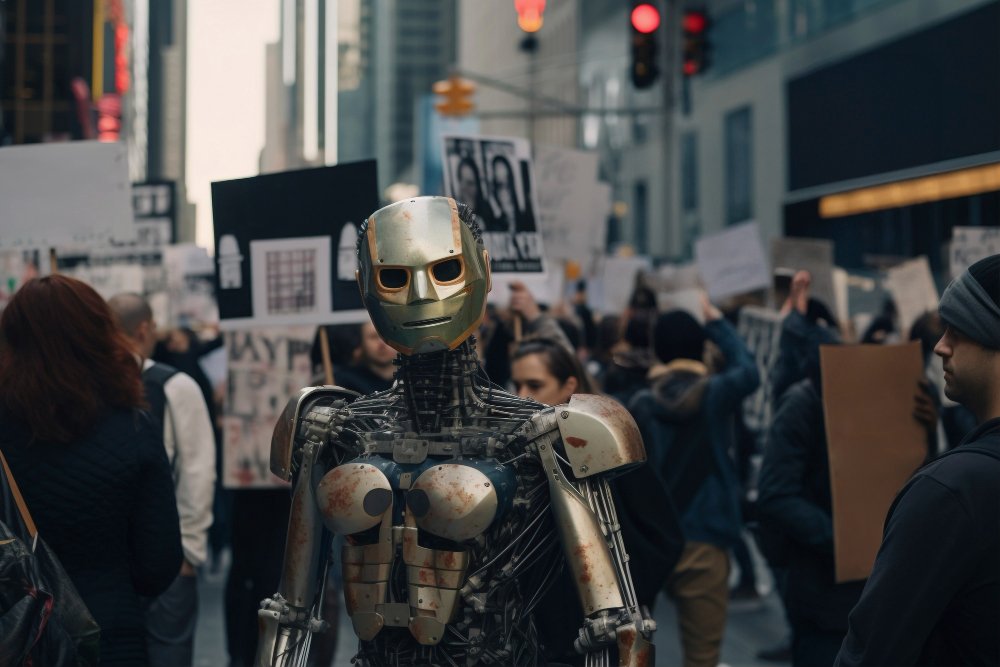
When I first started noticing bias in AI systems, it honestly felt a bit unsettling. We often assume that machines are neutral, logical, and free from human flaws. But the reality is very different. If you’re relying on AI for decisions—whether it’s hiring, recommendations, or even security—you might already be experiencing the effects without realizing it. The quick answer? AI reflects the data it learns from, and that data often carries human bias.
The Reality Behind AI Decisions
From my perspective, one of the most surprising things is how AI doesn’t think independently. It simply analyzes patterns based on the data it’s trained on. If that data contains historical inequalities, the system can quietly repeat them.
For example, I came across cases where AI hiring tools favored certain demographics over others. Not because the system was designed to discriminate, but because it learned from past hiring data that already had bias. That’s when it hit me—AI can scale bias faster than humans ever could.
Where Bias in AI Systems Comes From
In my experience researching and observing this space, bias doesn’t just appear randomly. It usually comes from a few key sources:
- Biased training data that reflects real-world inequalities
- Lack of diversity in development teams, which limits perspectives
- Flawed assumptions in algorithms that go unchecked
- Incomplete datasets, leading to inaccurate predictions
What stands out to me is that even well-intentioned developers can unintentionally create biased systems. It’s not always about bad intent—it’s often about blind spots.
Real-World Impact on Society
The impact of bias in AI systems goes far beyond tech circles. I’ve noticed how it can quietly influence everyday life in ways people rarely question.
In finance, AI-driven credit scoring systems may unfairly disadvantage certain groups. In healthcare, biased algorithms can affect diagnosis accuracy, especially for underrepresented populations. Even in law enforcement, facial recognition tools have shown higher error rates for certain ethnicities.
What concerns me the most is how these decisions often feel invisible. People trust the output because it comes from a machine, not realizing the system might be flawed.
Why This Matters More Than Ever
We’re living in a time where AI is becoming deeply integrated into decision-making processes. From social media feeds to job applications, these systems are shaping opportunities and outcomes.
In my opinion, the biggest issue is that bias in AI systems can reinforce existing inequalities instead of reducing them. If left unchecked, it can widen gaps in society rather than close them.
And here’s the uncomfortable truth I’ve come to accept: technology is not automatically fair just because it’s advanced.
Can Bias in AI Be Reduced?
Based on what I’ve seen and learned, reducing bias is possible—but it requires serious effort. It’s not something that fixes itself.
Some approaches that seem promising include:
- Using more diverse and representative datasets
- Regular auditing of AI systems for fairness
- Including diverse teams in AI development
- Making algorithms more transparent and explainable
What I find encouraging is that more organizations are starting to take this seriously. Still, there’s a long way to go before AI systems can be considered truly fair.
My Personal Take on the Future
Looking ahead, I feel both optimistic and cautious. On one hand, AI has incredible potential to improve lives. On the other, ignoring bias could lead to serious long-term consequences.
For me, the key takeaway is simple: we shouldn’t blindly trust AI systems. Instead, we need to question them, test them, and continuously improve them.
Because at the end of the day, AI is a reflection of us—and our flaws.
AI Disclaimer: This article was created with the assistance of artificial intelligence and reflects a personal-style perspective combined with researched insights. While efforts have been made to ensure accuracy and clarity, readers are encouraged to verify critical information independently and consider multiple viewpoints when evaluating topics related to bias in AI systems.